build.bvmcontracting.com

Tag: home builder Toronto

  • How to Find the Right Home Builder in Toronto (Without Getting Burned)

    How to Find the Right Home Builder in Toronto (Without Getting Burned)

    TLDR: Most homeowners who get burned didn’t miss obvious red flags — they just didn’t know which questions actually matter. Start with reviews to narrow your shortlist, site visits to pressure-test the work, and reference checks that go deep enough to surface real answers. The right builder will coach you through this process without you having to push.

    What the Reddit Threads Actually Tell Us

    Scroll through r/toronto, r/Renovations, or r/canadiancontractors on any given week and you’ll find the same post. Homeowner hires a builder. Construction starts. Problems multiply. Project stalls. Sometimes the builder stops showing up entirely.

    These aren’t stories about careless people. Many of these homeowners did their homework. They checked Google reviews, got three quotes, asked a neighbour. The problem wasn’t laziness. It was not knowing which questions actually matter before a contract is signed.

    We’ve watched this play out on projects across Toronto (in Leslieville, in Forest Hill, on the infill lots that line Danforth Ave) and it almost never comes down to a builder’s technical ability. The breakdown happens in the information gap that exists before anyone picks up a pen.

    The homeowners who come out of a build with a great experience did one thing differently: they found the right home builder in Toronto by treating the vetting process as seriously as the build itself.

    Reviews Narrow the List. Referrals Close It.

    Start with Google reviews to build your shortlist. A strong review history tells you the company is operating and has satisfied clients. What it won’t tell you is what happened when the project ran eight weeks over schedule, or how the builder responded when the kitchen tile arrived cracked.

    That’s what references are for and most homeowners don’t go deep enough here.

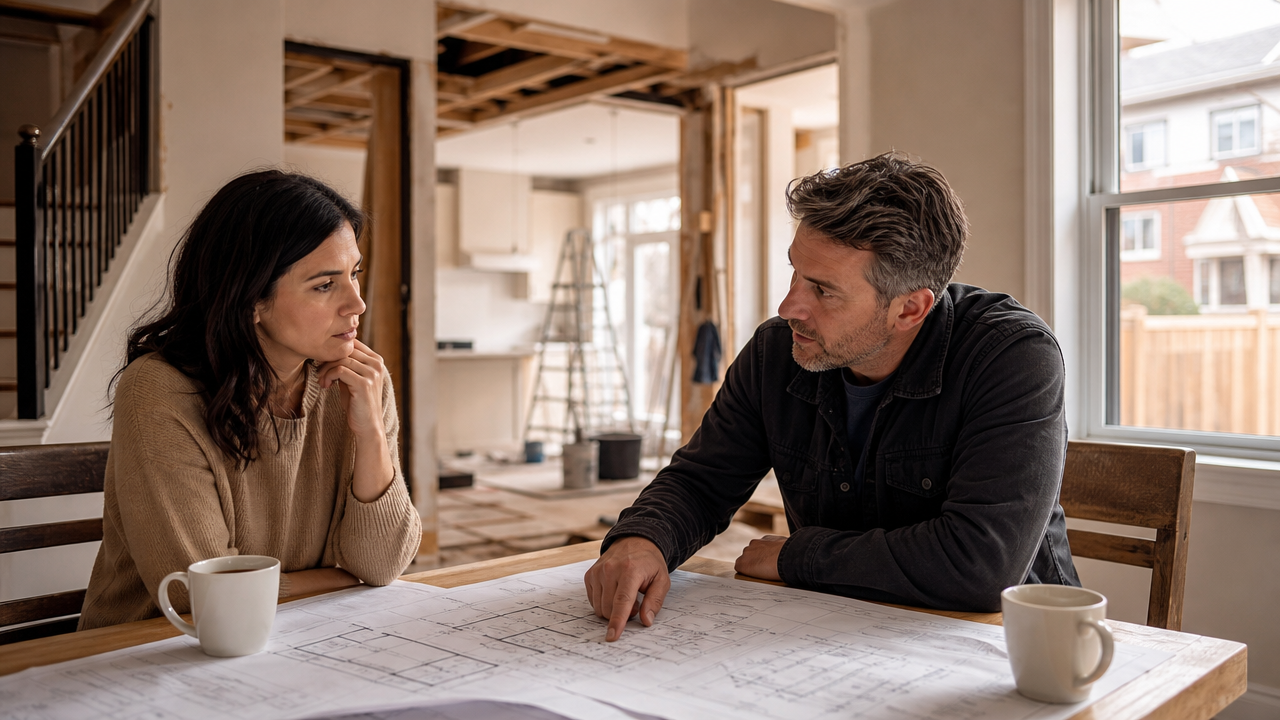
    Builders hand you references from their cleanest projects. You’re not getting the name of the Beaches homeowner whose addition turned into a 14-month dispute. So you need to ask questions that surface the honest story:

    • Ask for references from projects completed 2 to 3 years ago. Did the builder show up for warranty work after the final cheque cleared?

    • Ask what the homeowner wishes they’d known before starting.

    • Ask whether the project stayed on schedule and budget and if it didn’t, how the builder responded.

    • Ask if you can visit a current project site. A builder who trusts their process will say yes without hesitating.

    None of these are aggressive questions. But they cut through the highlight reel.

    We’ve had prospective clients visit both ongoing builds and finished homes. More than once, we’ve been told directly that the site visit was the deciding factor. Photos don’t do what standing in the actual space does.

    Five Questions to Ask a Builder Before You Sign

    There’s real variance in how builders structure their contracts, and most homeowners don’t ask about any of it until something goes wrong.

    Contract type. Fixed price, cost-plus, or project management fee: each one distributes financial risk differently. We’ve found the most success with fixed-price contracts because they force us to confirm every number before the paperwork goes out. The client gets budget certainty. No surprises after they’ve committed.

    Change orders. Every project has them. What matters is the process: who approves them, what the markup is, how they’re documented. A vague answer here should raise a flag.

    Payment terms. Progress billing tied to construction milestones is fair and standard. A builder asking for a large deposit upfront not tied to actual milestones is not.

    Warranty coverage. Get the specifics in writing, then verify them with references. A warranty that only gets honoured when the builder feels like it isn’t a warranty.

    Pre-construction integration is the fifth and it’s the one most homeowners overlook until it’s too late. If a builder can’t explain how they plug into your design process before permits are drawn, expect friction at every stage. We’ll explain why this matters below.

    What Most Homeowners Get Wrong

    The cheapest quote is almost never apples-to-apples with the others on the table.

    We’ve seen this play out many times. A homeowner picks the lowest number, signs a contract, and two months in they discover that what made our quote higher was already included and what made the cheap quote cheaper was simply not there. The things that looked like a $40,000 saving become a $90,000 problem.

    No two builders operate the same way. Scope, process, subcontractor relationships, procurement systems, communication standards, all of it varies. Comparing builders on price alone is comparing numbers without context.

    The other mistake we see constantly: committing too fast. One meeting doesn’t give you enough. You’re about to work with this company for 12 to 14 months, minimum. The longer you interact with your top candidates before signing, the more you’ll see of how they actually operate, how clearly they answer questions, how their team communicates, whether their personality is someone you can spend a year with.

    Ask which team members you’ll be dealing with most. A communication mismatch in month three of a renovation is a long project for everyone.

    The BVM Approach to Pre-Construction

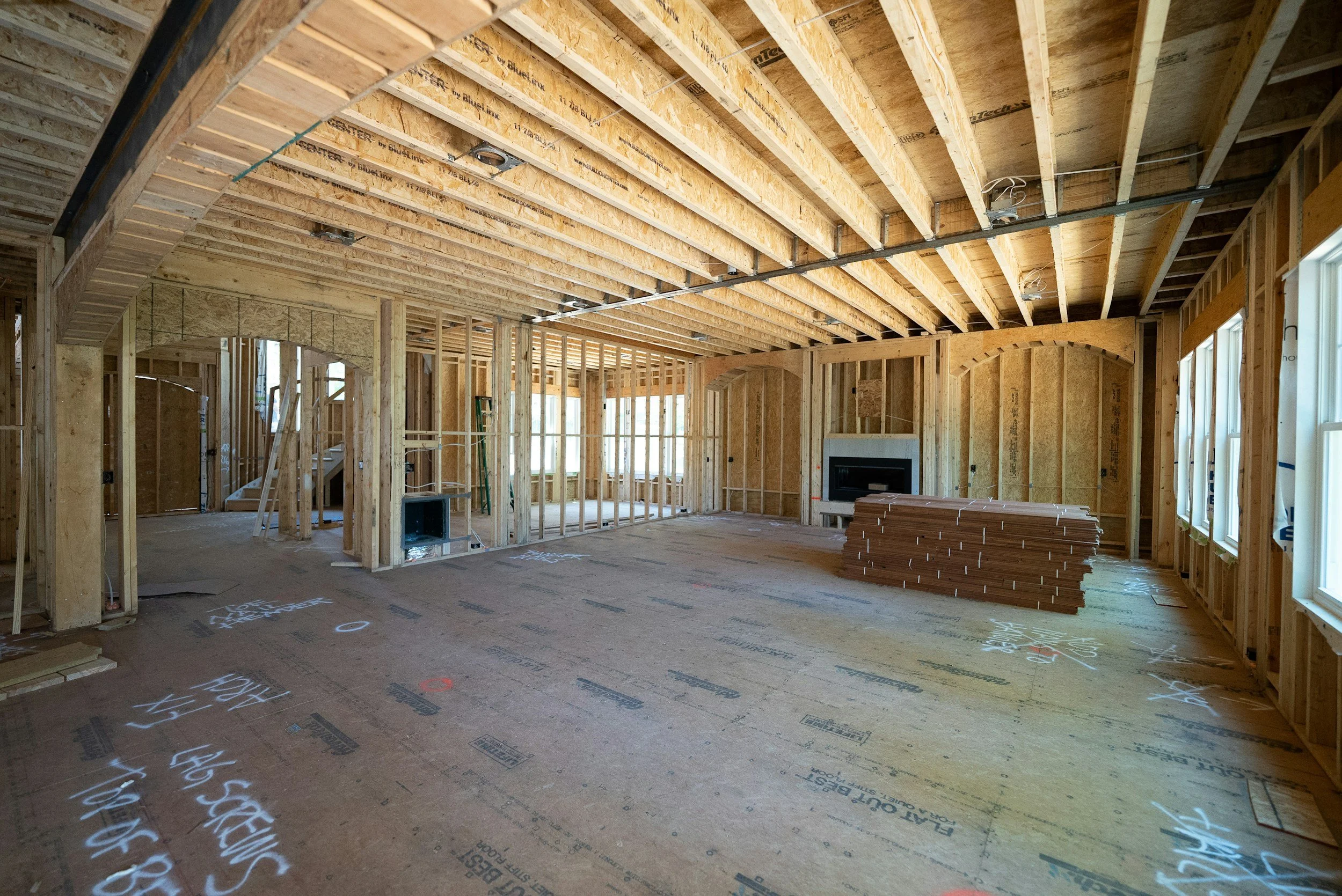
    Most of the risk in a custom home or major renovation gets locked in during design, before a single permit is filed.

    Our pre-construction process is iterative. We bring together the client, our architectural partners, and the interior design team in a structured sequence with defined checkpoints for scope, value engineering, and procurement. The goal is to catch expensive design decisions before they get locked in permanently.

    An architect can draw anything. Our job is to flag when a feature is going to cost 40% more than expected and give the client the chance to pivot while changing it is still inexpensive. We have key checkpoints for scope building, value engineering, and procurement before the client gets fully committed to a design, layout, or material. This allows us to fail fast with certain ideas and get multiple expert eyes on the plans at the moments when changes are still cheap.

    Nine out of ten permit-ready designs in Toronto don’t get built because nobody ran the numbers until it was too late to change course. Getting a builder involved early in the design process is how you avoid landing in that nine.

    We’ve also found that making sure the builder and architect understand each other’s expectations before a project starts isn’t optional. When they don’t, they’ll end up pitting each other against the client. For a truly efficient pre-construction process, everyone has to understand what’s expected of them and how to communicate, that’s what protects the homeowner’s investment.

    Key Takeaways

    • Reviews start the shortlist. Reference checks (specific, probing ones) close it. Ask old clients about warranty responsiveness after the final payment was made.

    • Ask every builder about contract structure upfront. Fixed price vs. cost-plus changes how risk is distributed between you and them.

    • The cheapest quote almost always excludes what made the other quotes more expensive. Understand what’s in each one before comparing numbers.

    • If a builder can’t explain how they integrate into your design process before permits are filed, expect problems at permit.

    • You’ll be in this relationship for over a year. Communication fit matters more than most people account for before they sign.

    Frequently Asked Questions

    Q: How many builders should I get quotes from?

    A: Three is the common advice, but only if those three are builders you’ve already vetted not three names from a quick Google search. The quality of your shortlist matters far more than the quantity of quotes.

    Q: Is fixed price or cost-plus better for a custom home build?

    A: Fixed price puts more pre-construction work on the builder but gives the homeowner budget certainty. Cost-plus sounds more transparent in theory but shifts all the financial risk onto the client. When it’s structured properly through a thorough pre-construction process, fixed price tends to produce better outcomes for both sides.

    Q: What’s the most important question to ask a builder’s references?

    A: Ask how the builder handled warranty work after the final payment was made. Most builders are attentive and communicative during the build. How they respond to deficiencies once the last cheque clears tells you who they actually are.

    Talk to BVM Before You Sign Anything

    Building a home in Toronto doesn’t have to feel like a gamble. Builders who make it feel that way are the ones who skip the pre-construction work or who never built a real system for it.

    We’ve built our process specifically to protect our clients’ investment from the first conversation, not after a contract is in place. Get the right builder involved as early as possible and you’ll have a very different experience than the homeowners posting on Reddit.

    If you’re evaluating builders and want to see what a real pre-construction process looks like, we’re happy to walk you through ours. Book a call with our team at bvmcontracting.com.
    Related Reading

  • What Does a Home Builder Actually Do?

    What Does a Home Builder Actually Do?

    TLDR: Most homeowners dramatically underestimate what a builder actually manages. It’s not just “hiring trades” — it’s procurement, coordination, quality control, risk mitigation, and daily project management running simultaneously across every phase of your build. Get the wrong builder, and you pay for it. Get the right one in early, and the whole project changes.

    You’re Not Hiring One Person. You’re Hiring a System.

    A lot of families walk into the custom home or addition process thinking they’re hiring someone who shows up on site and tells the framer what to do.

    That’s not even close.

    On any active project, our team is doing a dozen things most clients never see: confirming scope details with the mechanical contractor, re-reviewing structural drawings after a field condition changed, chasing down a lead time on windows that could push the drywaller by two weeks, reviewing a subcontractor invoice to make sure it reflects what was actually built.

    That’s a Tuesday.

    Day-to-day, a home builder is a team of people actively managing your project on site and behind the scenes to ensure it gets done on time and on budget — reducing risk wherever possible for your family. When a homeowner walks their finished house and it feels effortless, that’s not luck. That’s what a well-run build looks like from the inside.

    What “Hiring Trades” Actually Means

    Here’s what people picture: builder calls plumber, plumber shows up, job done.

    Here’s what actually happens on a well-run project: the subs your builder brings in have been retained as a result of many successfully completed projects. They all speak the same language and understand each other’s schedules, nuances, and work patterns. It isn’t as simple as sending out plans to five different subcontractors and expecting them all to get back to you.

    Many of the best home builders have a first and second team of subcontractors and vendors they’ve personally vetted and worked with. These trades are incentivized to do their best work because they want to keep getting consistent business from the builder. You’re not a one-off to them — you’re an extension of that ongoing relationship.

    Proper coordination is mostly invisible. It’s the conversations that happen weeks before anyone sets foot on site: nailing down exactly what’s in scope, confirming timelines with each sub, making sure the electrician knows the framer needs two more days before they start their rough-in. When that sequencing is tight, projects stay on schedule. When it breaks down — even once — you feel it everywhere.

    When Homeowners Try to Manage It Themselves

    We’ve seen this play out on projects across Toronto — from the Annex to Leaside, the pattern is the same.

    A client insists they want to bring in their cousin who does painting, or a trim carpenter they found through a neighbour. Sometimes the quality is fine. The timelines, almost never.

    When a homeowner tries to manage subcontractors, they’re dealing with people and companies who don’t speak the same language — and who aren’t incentivized to prioritize a one-time client when their regular builder is calling with their seventh project this year. Almost every project where there were client-managed trades, there were timeline delays. Sometimes there were quality issues the homeowner had to live with permanently.

    That’s not a knock on the trades themselves. It’s that good work requires coordination, and coordination requires trust built over time. A stranger to that system introduces friction. Friction costs money.

    The one area where we do give clients flexibility: finishes. If someone has a tile supplier or a furniture maker they love, we can work with that — and we help our clients manage it through our vetted vendors so the process stays smooth.

    How the Right Builder Protects Your Investment

    Protection starts before anyone swings a hammer.

    If you’re working with the right home builder, they’re pushing you to finalize scope items during the design phase — not after the permit is pulled. They’re procuring everything from demolition through to finishes before construction starts. They’re looking at your drawings and asking: is there a way to get you 90% of what you want at 80% of the cost?

    The more planning you do upfront, the better the quality, the faster the project goes, and the fewer mistakes get made. Rework is one of the most expensive things that happens on a construction project. Rework from unclear scope is entirely preventable.

    This is what procurement before construction actually means: by the time a shovel goes in the ground, every material, every sub, every lead time is mapped. There’s no stopping mid-project to figure out where the custom windows are. The job runs because the job was planned.

    General Contractor vs. Home Builder: Is There a Real Distinction?

    In the Toronto market, the terms are largely interchangeable — the business model is the same. The difference is specialization.

    Some GCs specialize in commercial buildouts, restaurant renovations, or institutional work. Some focus on kitchens and bathrooms. We’re a general contractor whose specialization is home building: custom homes, additions, full-gut renovations. That focus means our subcontractor network, our pre-construction process, and our on-site management are all calibrated specifically for residential work. When someone says “home builder,” they’re signaling that residential expertise.

    Ask any firm you’re considering: what percentage of your work is residential? What’s the most comparable project you’ve completed in the last 18 months?

    What Most Homeowners Get Wrong

    They bring in the builder too late.

    We see this constantly. Families have gone through six months of design, have a full permit set in hand, and now they’re shopping for builders. The problem: they’re already married to the design. Every expensive decision has been made without any input from the people who know what things actually cost.

    The earlier you align on project costs — and understand which decisions are the biggest levers on your budget — the higher the likelihood that you’ll actually execute the project. Projects where we’re brought in before the architect draws a single line have a materially better track record than projects that come to us permit-ready. The permit-ready ones often need to be redesigned anyway. Except now there are extra fees, months of delays, and a homeowner who was sold something they couldn’t actually afford.

    Bring your builder into the design process before it starts. Not after. That’s when the real money decisions get made.

    The BVM Approach: Built to Run Before It Starts

    There’s a version of a builder that shows up when there’s a problem. That’s not us.

    Before construction starts, we’ve locked scope, completed procurement, coordinated with all subs on timelines, and stress-tested the schedule for the things that always go sideways. That pre-construction process is our product as much as the finished house is.

    During the build, our team is on site regularly and behind the scenes daily. We’re not managing by exception — we’re catching schedule risks before they become delays, and quality issues before they require rework. Active management before and during the project. That’s what actually protects your investment.

    Key Takeaways

    • A home builder manages scope, procurement, coordination, quality, and risk — all at once, across every phase of your project

    • Your builder’s sub relationships are a real competitive asset: they guarantee priority service and consistent quality

    • Client-managed trades almost always create timeline delays, even when the work is good

    • Investment protection starts in pre-construction — the more you plan up front, the fewer surprises mid-build

    • Get your builder involved before design starts, not after you have a permit

    • Ask any builder: what’s your pre-construction process? If they can’t walk you through it specifically, that’s your answer

    • Fixed-price contracts beat cost-plus for homeowners who want certainty — know which one you’re signing before you commit

    Frequently Asked Questions

    Q: How do I know if a builder is actually managing my project or just collecting a fee?

    A: Ask them to walk you through their pre-construction process in detail. A builder who can explain how they build a fully procured budget, how they coordinate trades before the project starts, and what their on-site management looks like — that builder is managing. If the answer is vague or generic, that tells you exactly what you need to know.

    Q: Is a fixed-price contract better than cost-plus?

    A: For most homeowners, yes. A fixed-price contract means the builder has done the work to lock down scope and pricing before you sign. Cost-plus shifts that risk onto you — every surprise in the field becomes your financial problem. Ask any builder you’re interviewing directly: are you fixed price or cost-plus?

    Q: Can I save money by acting as my own general contractor and managing trades directly?

    A: Some experienced homeowners pull it off. Most discover mid-project why builders charge what they charge. When you manage trades directly, you’re a one-time client with no leverage and no shared language. The coordination work that keeps a project on schedule doesn’t disappear — you absorb it personally.

    Ready to Talk About Your Project?

    If you’re in Toronto or the GTA and you’re trying to figure out whether you’re working with the right builder — or whether the process you’re in right now is going to end well — we’re happy to take a look. No pitch. Just an honest conversation about where your project stands and what it needs. Book a call with our team at bvmcontracting.com.

    Related Reading:

  • A Custom New Build That Three Years Later, Still Opens Its Doors

    A Custom New Build That Three Years Later, Still Opens Its Doors

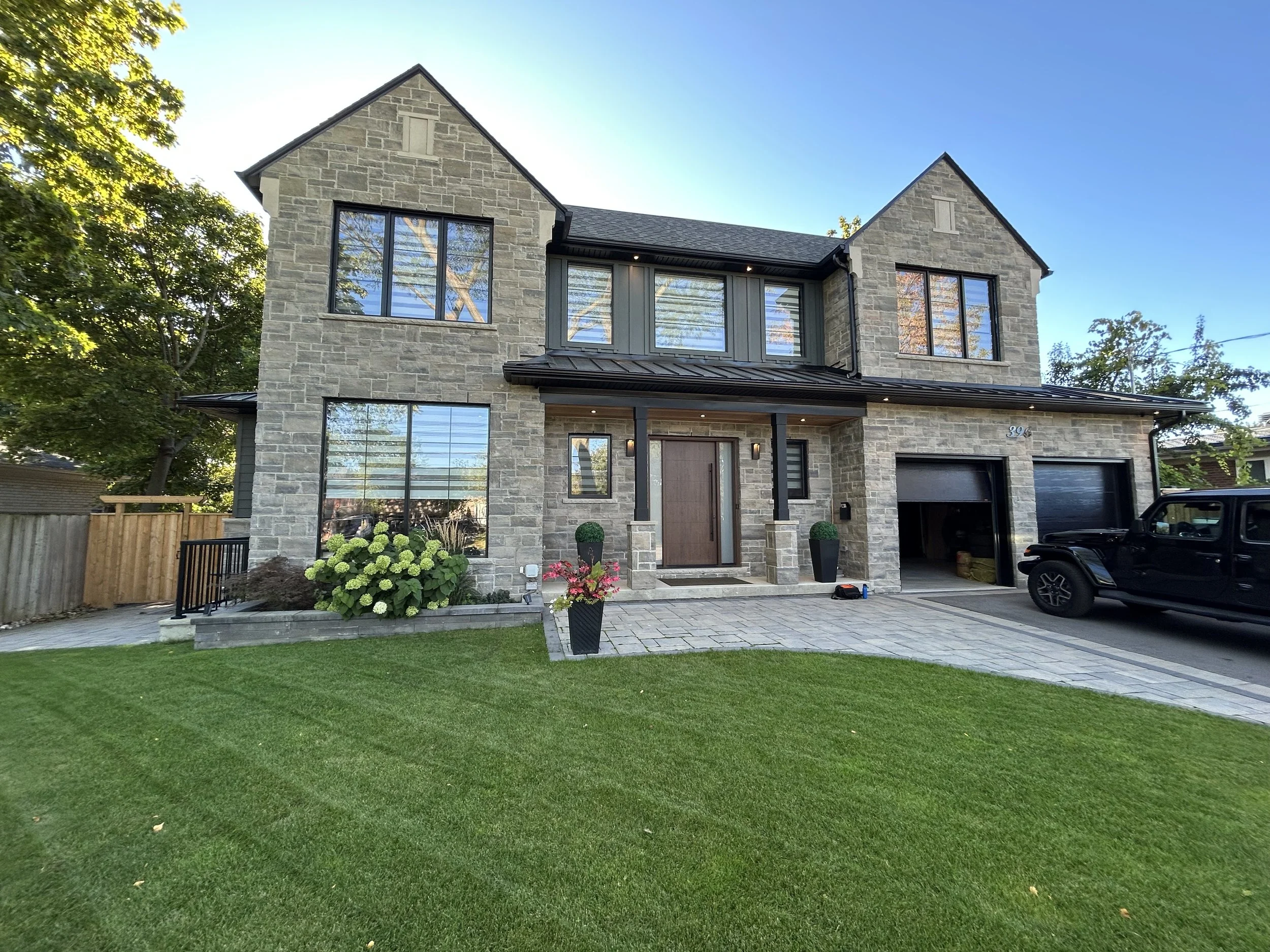
    Julianne and Junior LeBlanc came to BVM Contracting with a vision: tear down what was there and build the custom home they’d always wanted. We delivered a ~4,000 sq ft, $1.5M custom build in Port Union — the easternmost community in Scarborough along the Lake Ontario shoreline — on time, on budget — during one of the most turbulent material supply periods in recent memory. Three years later, when we needed a real-world example to show a new family what a BVM home looks like, Julianne and Junior didn’t hesitate. They opened their front door.

    That’s the kind of relationship we build — not just homes.

    Home Build Project Information

    Project Type: Full tear-down and custom new build
    Location: Port Union, Scarborough, Toronto
    Scope: ~4,000 sq ft custom home (main floor, second floor, basement with gym, three-car garage, covered rear porch)
    Duration of Construction: 9 months
    Timeline of our services: Pre-construction through to completed construction
    Client: Young family, Port Union
    Architect: Chris Ziannis — CZ Designs
    Project Cost Breakdown: Inquire here

    Building During the Worst Supply Chain Year in Memory

    When Julianne and Junior signed on with BVM Contracting in 2021, they weren’t just buying a construction contract — they were trusting us with their most significant financial investment. And they were doing it at the worst possible time for materials.

    2021 was a year that tested every builder in Canada. Lumber prices had spiked to historic highs. Lead times for windows stretched to 14–16 weeks. Roof trusses were backlogged for months. Structural steel pricing was volatile enough that we had to lock in quotes on specific dates just to hold numbers.

    A less experienced builder would have handed over a budget and hoped for the best. We took a different approach.

    From day one, our team sat with Julianne and Junior and built a line-by-line budget — every trade, every material, every phase of the project documented with full transparency. When lumber came in higher than expected, we didn’t hide it. We worked through the budget together, found over $14,600 in savings on framing alone, and protected their overall number without cutting corners on quality.

    The final framing cost came in at $193,400 against an original $208,000 estimate.

    Bottom line: Full budget transparency — even when the numbers shift — builds the kind of trust that survives a supply chain crisis.

    A Home Designed to Turn Heads — and Last Decades

    The LeBlanc residence isn’t a typical new build. Every exterior and interior decision was made with intention.

    Exterior

    The curb appeal of this home is immediate and unmistakable. The exterior combines three distinct cladding systems that work together as a cohesive whole:

    Standing seam charcoal metal roof — across both the main floor and second floor, including a flat roof section. Metal roofing was chosen for its longevity, weather performance, and the clean architectural statement it makes.

    James Hardie fibre cement siding — a combination of vertical and horizontal runs in a rich iron gray, providing a maintenance-free envelope that holds its colour and resists the freeze-thaw cycles that punish Ontario exteriors every winter.

    Permacon Laffit thin stone veneer — in a Chambord Grey blend that grounds the home and adds natural texture against the Hardie panels.

    Natural stone accents — 3-inch sill stones, natural stone gable vents, and natural cut stone for the eave transitions bring a custom masonry feel without the full masonry cost.

    The windows and doors are Golden Windows wood-aluminum clad units with internal grilles and simulated divided lights (SDLs), all finished in black — a bold choice that frames every opening and ties the exterior together. A 52×96 insulated steel front door with a 12-inch sidelite anchors the entry with presence.

    A 48×48 Velux fixed skylight in the front foyer brings natural light deep into the main floor — one of those details you notice the moment you walk through the front door.

    Garage

    The three-car garage isn’t an afterthought — it was designed with the same attention the rest of the home received. With its own framed footprint, insulated doors, and mudroom-to-garage access point, it functions as a true extension of the home.

    Covered Rear Porch & Outdoor Living

    The rear of the home features a covered porch with a gas fireplace — an outdoor living space that genuinely extends the usable season for the family. The sliding door system connects indoor to outdoor seamlessly, making it one of the most used features of the home year-round.

    Basement

    The basement was designed as a functional living level, not storage. With 9-foot ceilings throughout and a dedicated gym and golf area built to 10-foot ceiling clearance, it’s a level of the home the LeBlanc family actually uses.

    How We Kept a 9-Month Custom Build on Schedule

    Managing a $1.5M custom build in a supply-chain crisis isn’t just about construction knowledge — it’s about anticipation.

    Order early, order smart. We placed the Golden Windows order the moment the specifications were locked — knowing 14–16 week lead times meant any delay would cost months on the back end. They arrived on schedule. We planned for trusses knowing delivery wouldn’t come until October — and built the schedule to absorb it without idling the crew.

    Daily communication, not weekly updates. Our project managers were in regular contact with Julianne and Junior throughout the build — not just at formal site meetings, but daily when decisions needed to be made. Custom homes require hundreds of small decisions along the way. Our clients should never feel like they’re waiting on us.

    Transparent draw schedule. Every draw was documented against the budget. Julianne and Junior always knew exactly what had been spent, what was remaining, and what was coming next. There were no surprises at the end.

    Holding the budget without sacrificing the build. When framing material costs came in higher than the original estimate — as they did for every builder in 2021 — we didn’t absorb the cost quietly or pad elsewhere. We brought the numbers to the table, found $14,600 in legitimate savings on the lumber package, and issued a formal credit. The final framing cost came in at $193,400 against an original $208,000 estimate.

    The result: a move-in ready home delivered in 9 months with no significant time delays and no cost overruns.

    Bottom line: Proactive ordering and daily communication aren’t extras — they’re the reason custom home builds finish on time.

    What the LeBlanc Family Said

    “BVM was a pleasure to work with for our new build project. Their project managers helped with all the planning ahead of the build, and created a detailed budget for all phases of the project that was both transparent and accurate. Once building was underway, we had regular site meetings and daily conversations to ensure everything was completed to our satisfaction and in a timely manner. Our home was move-in ready in 9 months with no significant time or cost delays! We would use BVM again and highly recommend them for both small and large construction projects.”

    Julianne & Junior LeBlanc, homeowners, 396 Rouge Highlands Drive

    The Moment That Said Everything

    Three years after completion, BVM Contracting was working with a new family planning a custom home in the Cliffside area of the Scarborough Bluffs — a similar vision, similar scope. They wanted to see what a BVM home actually looks and feels like.

    We reached out to Julianne and Junior.

    Without hesitation, they said yes. They opened their home — their personal space, their private investment — to a family they had never met, simply because they believed in what BVM Contracting had built for them.

    There was no obligation. No incentive. Just the confidence of a family who got exactly what they were promised, and were proud to show it off.

    That moment is the clearest measure of success we know: a client who becomes an ambassador.

    Key Takeaways

    Transparency builds trust — A line-by-line budget, documented at every draw, means no surprises and no erosion of confidence

    Supply chain requires strategy, not luck — Ordering windows 14 weeks ahead of need, planning truss delivery into the schedule, and monitoring steel pricing daily kept the project moving when others stalled

    Communication is a deliverable — Daily contact with clients isn’t extra effort, it’s part of what we build

    A great build has a long life — The LeBlanc home didn’t stop being a BVM success story when the permit closed. Three years later, it’s still doing work for us — and for them

    Thinking About Building Your Custom Home?

    The LeBlanc residence is proof that a custom home at this level — done right, with full transparency and no surprises — is achievable. Even when the world around you is making it harder.

    BVM Contracting has the experience, the process, and the relationships to deliver your custom home on time and on budget.

    Let’s start the conversation.

    647-401-HOME (4663)
    www.bvmcontracting.com

    Related Reading

  • The Perfect Home Build Doesn’t Exist

    The Perfect Home Build Doesn’t Exist

    Why perfection is a myth in residential construction

    Most homeowners start their construction journey with a fantasy. They imagine flawless execution, zero surprises, and seamless progress from groundbreaking to move-in day.

    This fantasy will cost them money, time, and sanity.

    Here’s what actually happens: 91% of construction projects experience delays. Only 25% finish within 10% of their original timeline.

    The numbers don’t lie. Perfect builds don’t exist.

    But here’s where most people get it wrong. They think the goal should be finding a builder who avoids problems.

    The real goal is finding a builder who solves them brilliantly.

    When Reality Hits Your Foundation

    We recently worked on a home addition project in East York. The plan was straightforward: build the rear extension on helical piles.

    One week into the project, we discovered the soil conditions couldn’t support the load. The piles wouldn’t work.

    Most contractors would panic. Some would push forward anyway and hope for the best. Others would disappear entirely.

    We did something different.

    Within 48 hours, we had a complete alternative plan. We pivoted to a traditional foundation system that could handle the weight. We presented the client with clear pricing, explained exactly why the change was necessary, and implemented the solution.

    The result? A $10,000 cost increase that the client accepted without hesitation.

    Why? Because we had built trust through transparent communication before the crisis hit.

    The Problem-Solving Advantage

    Every challenge we encounter makes us more valuable to future clients. Each problem we solve adds to our database of real-world solutions.

    When we sit down with new clients during pre-construction, we can anticipate issues that other builders miss entirely. We have those difficult conversations upfront that most contractors avoid.

    We talk about buildability concerns. We identify design choices that will unnecessarily inflate costs. We question structural plans when engineering firms overdesign solutions.

    Recently, we saved a client tens of thousands of dollars by simply questioning an overly complex steel beam specification. The engineering firm had overengineered the structural setup.

    Most builders would have built what was on the plans and collected their fee. We saw an opportunity to add value.

    Why Clients Choose Honest Builders

    When we explained to our East York client that the helical piles wouldn’t work, we didn’t sugarcoat the situation. We said exactly this:

    “The piles can’t hold the weight of your extension. We won’t move forward with something that compromises your home’s structural integrity. Here’s our alternative plan and exactly what it will cost.”

    The conversation took 20 minutes. The client approved the change immediately.

    This happens because we approach every challenge matter-of-factly and always have a solution ready.

    Poor planning causes 31.4% of construction delays. Most contractors fail to properly consider project scope, budget, timeline, and resources from the start.

    We built our entire pre-construction process around preventing these failures.

    The Trust Factor

    Trust isn’t built when everything goes perfectly. Trust is built when things go wrong and your builder handles them expertly.

    Our family-owned approach means we oversee every project. When challenges arise, clients aren’t dealing with a faceless corporation or an overwhelmed project manager.

    They’re working with someone who has solved similar problems hundreds of times before.

    The best builders aren’t the ones who promise perfection. They’re the ones who deliver excellence despite inevitable imperfections.

    Redefining Construction Excellence

    We’ve shifted how we talk about our work. Instead of promising flawless execution, we promise expert problem-solving.

    Instead of hiding our past challenges, we use them as proof of our capabilities.

    Instead of avoiding difficult conversations, we initiate them during pre-construction to build trust before it’s tested.

    This approach has created something remarkable: clients who actually get excited when challenges arise because they know we’ll turn them into opportunities.

    The construction industry is filled with horror stories because too many builders make promises they can’t keep. They paint rosy pictures that reality quickly destroys.

    We do the opposite. We prepare clients for construction realities while demonstrating our ability to handle whatever comes up.

    The result? Projects that exceed expectations not because they’re perfect, but because they’re expertly managed from start to finish.

    Perfect builds are a myth. Perfect builders don’t exist either.

    But builders who turn inevitable challenges into competitive advantages? Those are the ones worth waiting for.

    BVM Contracting is a full-service General Contractor or Home Builder located in Toronto. We provide home renovation and building services for major home renovations (kitchen renovations, bathroom renovations, basement renovations, full interior renovations, home additions, lot severances, new home construction, multi-unit renovations, garden suite construction, and laneway suite construction). Our goal is to help guide our clients through the process of renovating their home, from concept to completion.

    Further than providing General Contracting and Project Management for major home renovations and home building projects in Toronto, we also offer value-added services such as renovation financing, renovation rebate consultations and services, building permit and design services, smart home installation services, and real estate investor services.

    To learn more about our offering by visiting our services page.