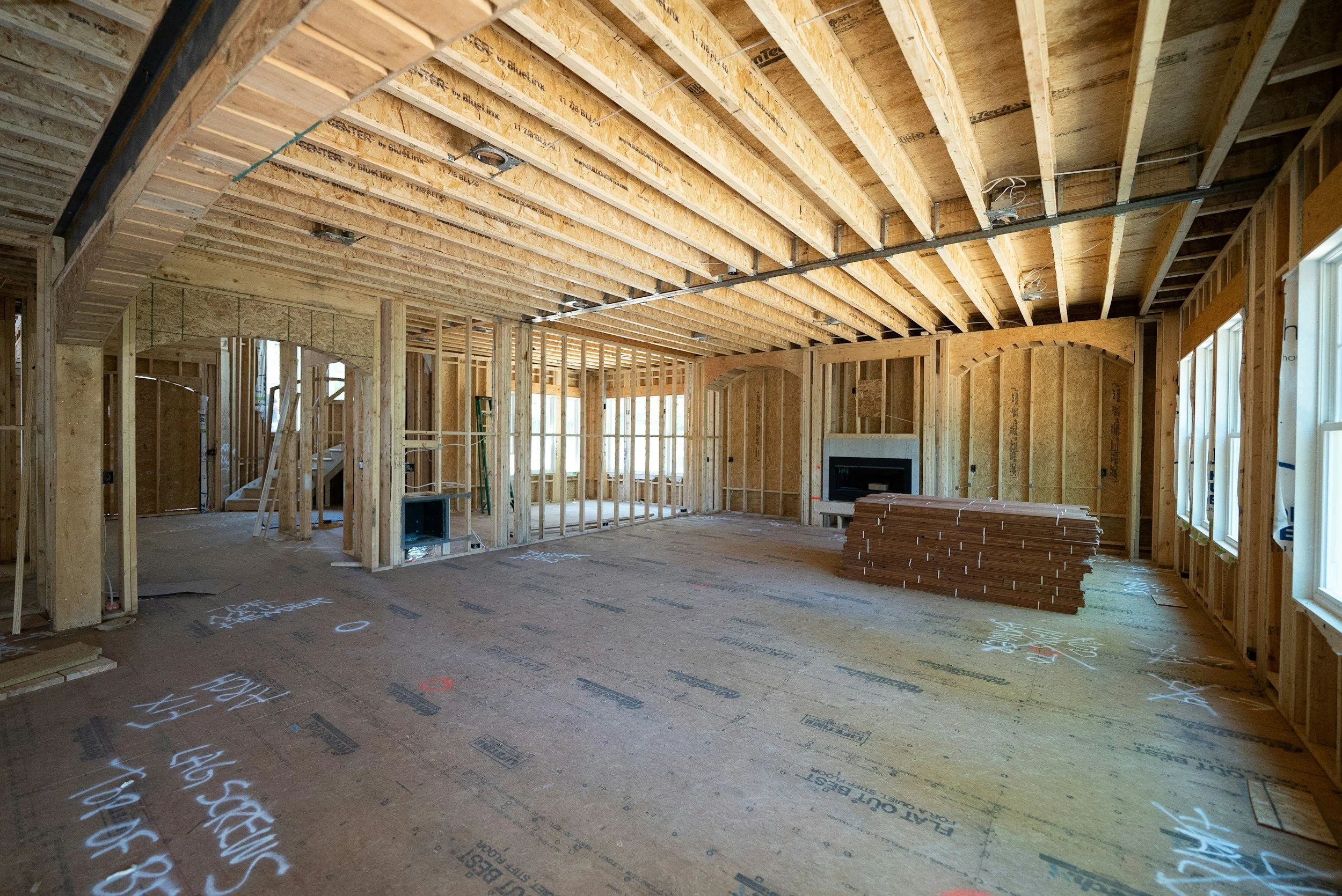
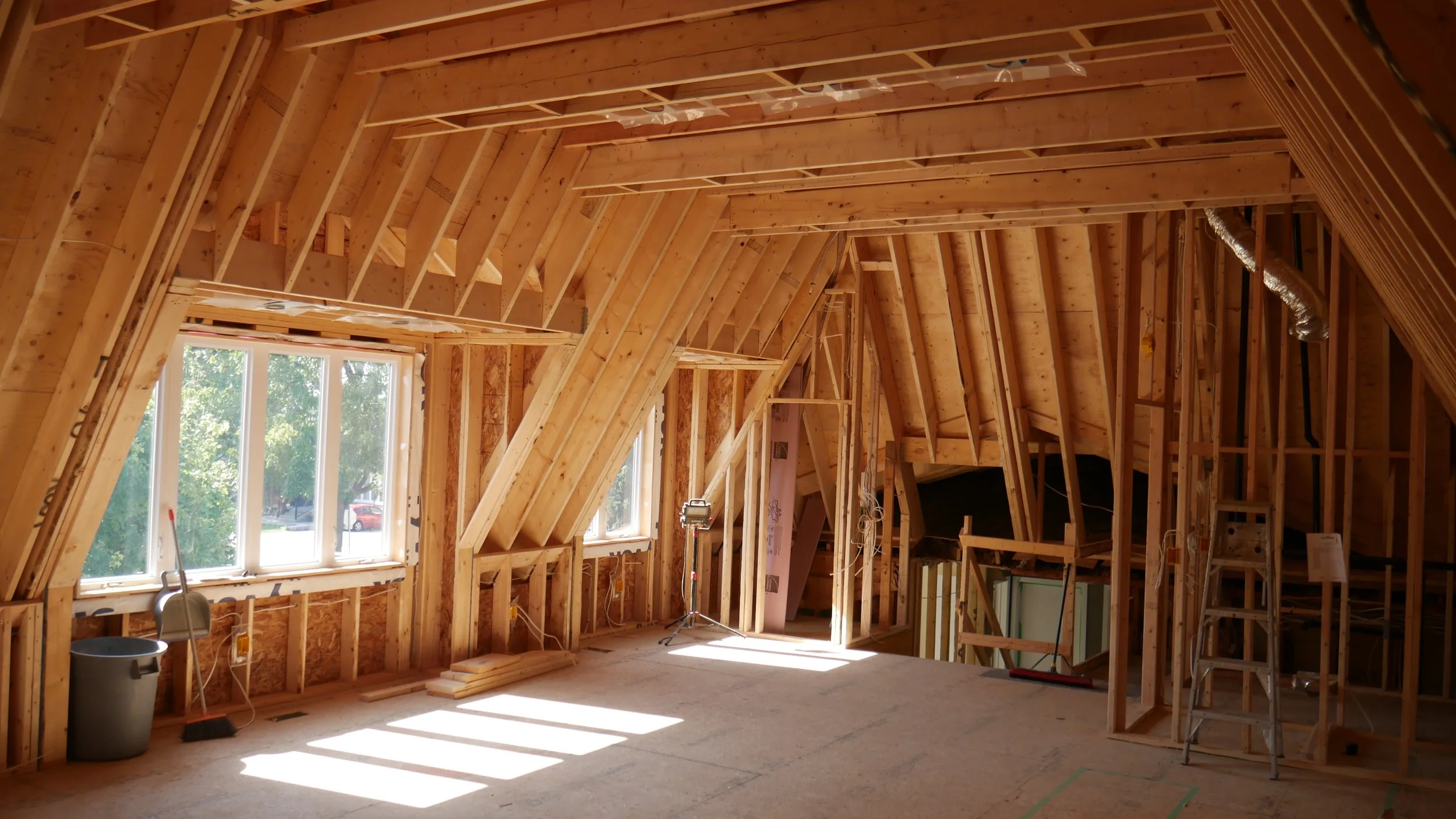
the difference between Custom Home Builders and General Contractors? The Answer will surprise you…
Many Toronto homeowners regularly pay a premium for identical construction work. The difference? One company calls itself a “custom home builder,” while the other markets itself as what it truly is, a “general contractor.”
We’ve spent 25+ years in Toronto’s residential construction industry. The reality is that there is a surprising indifference between custom home builders and reliable general contractors, and we are here to explain why!
The Marketing Angle Behind Custom Building
Every custom home builder is actually a general contractor. The distinction exists purely for marketing purposes.
When companies add “custom homes” to their business name, they’re targeting a wealthier demographic willing to pay premium prices. The underlying business structure remains identical to any specialized residential general contractor.
We build custom homes at BVM Contracting. We also complete custom renovations, additions, and multi-unit developments. But we don’t hide what we actually are: a general contractor.
Ontario’s regulatory framework proves this point. HCRA licensing requirements are identical for both “custom builders” and general contractors performing new home construction. Both need the exact same vendor and builder licenses.
The Subcontracting Reality Nobody Talks About
Custom home builders subcontract 90% or more of their projects. General contractors do the exact same thing.
Complex custom builds require specialized skills from electrical, plumbing, HVAC, and finishing subcontractors. No single company performs all this work in-house, regardless of their marketing label.
The business model is identical. Both coordinate the same network of specialized subcontractors. Both charge similar coordination fees. Both follow the same process from design through close-out.
We maintain a reliable network of subcontractors who stand behind their work and prioritize our projects. Every other “custom builder” in Toronto operates the same way.
The Premium Pricing Strategy
Toronto’s construction pricing reveals the markup strategy clearly. Basic custom home builds cost $400 to $500 per square foot while high-end custom builds reach $450 to $750 per square foot.
Sometimes homeowners are just paying more for the same thing, period.
Many general contractors possess the same systems, processes, and reliability that custom home builders offer. The “custom” label simply allows access to clients who will pay premium prices for identical services.
The whole process for design, pre-construction, home building, and close-out remains the same. Custom home builders usually just package it into a neater bow to justify higher pricing.
What Toronto Homeowners Should Actually Evaluate
Focus on the fit of the people behind the name rather than getting caught up in marketing labels.
Ask about contract terms, payment schedules, and references. Request to see current projects. Verify they offer a warranty they’ll actually stand behind.
Evaluate their pre-construction process. Quality contractors provide thorough planning regardless of their business title. At BVM Contracting, we offer comprehensive pre-construction services at no charge to demonstrate our commitment to project success and to build trust.
Look at their actual track record. Review completed projects, speak with past clients, and assess their communication style during initial consultations.
The Truth About Construction Expertise
Expertise and specialization matter more than industry titles in Toronto’s residential construction market.
We aim to be the beacon of hope in an industry riddled with misinformation and poor guidance. Our family-owned approach allows us to properly care for each client because we value the reputation we’ve built over decades.
The construction process doesn’t change based on marketing labels. Quality, reliability, and transparent communication determine project success.
Make your decision based on substance, not marketing packaging. Your project deserves better than paying a premium for identical services wrapped in fancier branding.
About BVM Contracting
BVM Contracting is a full-service General Contractor or Home Builder located in Toronto. We provide home renovation and building services for major home renovations (kitchen renovations, bathroom renovations, basement renovations, full interior renovations, home additions, lot severances, new home construction, multi-unit renovations, garden suite construction, and laneway suite construction). Our goal is to help guide our clients through the process of renovating their home, from concept to completion.
Further than providing General Contracting and Project Management for major home renovations and home building projects in Toronto, we also offer value-added services such as renovation financing, renovation rebate consultations and services, building permit and design services, smart home installation services, and real estate investor services.
To learn more about our offering by visiting our services page.
Custom Homes vs New Builds: Insights for Toronto Homeowners
Embarking on the journey of building a custom home can be both exciting and daunting, particularly for those new to the construction process. In Toronto, understanding the nuances between a custom home and a typical new build is crucial for homeowners looking to renovate or build on their existing property in Toronto.
A custom home is tailored to your unique vision and is usually synonymous with a new home build when you talk about it for an individual property, allowing for personalization in design and functionality. A home addition to an existing home can transform an existing structure into a partially or fully customized space, even with the constraints of keeping the original foundation and exterior walls.
This blog post aims to provide comprehensive insights into the key differences between a custom home and a new home build, why the terms are used interchangeably when talking about the development of individual residential properties, and scenarios for when a new home build is not considered a custom home.
Understanding Custom Homes
Defining Custom Homes
Custom homes are uniquely designed residences that reflect the specific preferences and lifestyle of the homeowner. Unlike new builds, which often follow standard floor plans, custom homes give you the freedom to tailor every aspect—from layout and materials to finishes and features. This process typically involves collaborating closely with architects, designers, and builders to ensure your vision comes to life. In Toronto, where diverse architectural styles coexist, a custom home allows you to embrace creativity and innovation, aligning with your individual taste and functional needs.
A custom home isn’t limited to new constructions; you can achieve similar personalization with extensive renovations or home additions. However, these projects might face constraints due to existing structures. Therefore, engaging with experienced contractors who understand these complexities is crucial. A custom home embodies your personal expression, providing a living space that truly feels yours.
Custom Homes vs. New Builds
When comparing custom homes to new builds, the most significant difference lies in the level of personalization offered. Custom homes are designed to meet the specific desires and needs of the homeowner, resulting in a unique living space. This involves selecting everything from the architectural style to interior finishes, often requiring a longer timeline and potentially greater investment. In contrast, new builds can also be customized to the homeowner’s preference and style, but are usually considered more “cookie-cutter”. Think of the subdivision developments all around the GTA, those are a subset of new homes that are not custom. If you were to complete a new home build on your own property in Toronto and work exclusively with an architect of your choosing to design a space that is completely yours, that is when a new home build is considered a custom home as well.
Exploring New Builds
Characteristics of New Builds
New builds are residential constructions that usually adhere to pre-set architectural plans and specifications, but can be customized depending on how much decision-making power the homeowner has over the designers of the structure (i.e. are the design pre-made or did the homeowner retain the BCIN Designer or Architect?). These homes are typically part of larger developments where multiple houses are built simultaneously, often by a single builder or developer. One of the key characteristics of new builds is their predictability. Buyers can expect a consistent level of quality and design across the development, making the process straightforward and less time-consuming. Additionally, new builds often feature the latest construction techniques and materials, offering improved energy efficiency and modern amenities. They usually come with warranties, providing peace of mind regarding any potential structural issues. However, the trade-off for this efficiency and convenience is limited personalization. Customization is generally confined to minor interior choices, such as paint colors or flooring styles. Despite this, new builds can be an attractive option for those seeking a hassle-free path to homeownership without the complexities involved in custom design.
Limitations in New Build Customization
While new builds offer various benefits, such as streamlined construction and modern amenities, they often come with significant limitations regarding customization. Buyers are typically constrained by the developer’s predetermined designs, which means major structural alterations or unique architectural features are generally off-limits. Customization options are usually limited to superficial elements like paint colors, flooring materials, and standard fixtures, providing minimal room for personal expression. For individuals seeking to imprint their personal style or address specific functional needs, this can be a considerable drawback. Furthermore, the uniformity often found in large developments can result in homes that lack individuality, potentially affecting long-term satisfaction. For those with a strong vision for their home or specific lifestyle requirements, these constraints might necessitate exploring other options, such as custom homes or finding a property yourself and designing a home directly with an architect or BCIN Designer. Consulting with experienced builders or architects can help navigate these limitations and find the best fit for your housing needs.
When a New Home Build is not Considered a Custom Home
Spec home building
Large Home Developments (Mattamy Homes)
Developer-led home building
Custom Home Design Process
Steps to Design Your Custom Home
Designing a custom home involves several key steps to ensure your vision is effectively translated into reality. Initially, it’s crucial to outline your needs and desires, considering factors like lifestyle, family size, and future plans. This helps define the scope and style of the home. Next, engage with a reputable architect or designer who can translate these ideas into a feasible plan, incorporating functional layouts and aesthetic considerations. This collaboration is essential for achieving a balance between creativity and practicality.
Concurrent to the design phase, selecting a reliable home builder or general contractor is crucial to ensure the project aligns with your budget and timeline. They will help navigate the logistics, including permitting and site preparation. Throughout the pre-construction process, maintain regular communication with your design team and builder to address any changes or challenges.
Incorporating Unique Features
Incorporating unique features into your custom home is an exciting opportunity to infuse personal style and enhance functionality. Begin by identifying elements that reflect your interests, such as a home office, gym, or an expansive kitchen suited for entertaining. Consider the integration of sustainable practices, like energy-efficient appliances, solar panels, or rainwater harvesting systems to promote eco-friendliness. For luxury and comfort, think about adding amenities like a spa-inspired bathroom, a home theater, or smart home technology for seamless control over lighting and security. All of these items come with additional costs that you will want to consider with your overall budget, so it is important to work with your home builder to ensure you have a good idea of the costs before incorporating these luxury features into your custom home.
Once you get costing feedback from your home builder it important to collaborate with your architect or BCIN designer to ensure these features are harmoniously integrated into the overall design, maintaining structural integrity and aesthetic appeal. Keep in mind that while unique features add value and enjoyment, they should also align with your budget and practical needs. Thoughtful planning and expert guidance can transform your custom home into a distinctive and personalized sanctuary.
Customization in Home Additions
Constraints and Considerations
When undertaking home additions, several constraints and considerations must be addressed to ensure a successful project. One primary constraint is the existing structure’s integrity. The addition must complement the current foundation and architecture, requiring careful planning to maintain stability and cohesion. Zoning by-laws and building codes represent another critical consideration, as they dictate the scale and scope of allowable expansions. These regulations can influence design decisions and may necessitate adjustments to the original vision.
Budget constraints are also significant, as additions sometimes require costs related to structural modifications to the existing foundation or internal structure (such as underpinning). It’s essential to establish a clear budget with contingencies for unforeseen expenses, and a reputable home addition contractor or builder can help you create a budget that is representative of these costs.
Lastly, consider the home addition’s impact on the home’s overall aesthetics and functionality, ensuring it enhances rather than detracts from the existing space. Engaging with experienced architects and contractors can help navigate these challenges, optimizing both the design and execution of your home addition project.
Achieving Customization in Additions
Achieving customization in home additions allows homeowners to enhance their living space without starting from scratch. To begin, clearly articulate your objectives, whether they involve expanding a kitchen, adding a new bedroom, or creating a home office. This clarity guides the design process, ensuring the addition aligns with your lifestyle needs and aesthetic preferences. Collaborating with a BCIN Designer or Architect is crucial to tailor the addition to your vision while respecting structural limitations and regulatory requirements, but it is equally as important to involve a home builder with experience with home addition projects to act as a source of truth for the costing of the project. BVM Contracting is one of Toronto’s leading home addition contractors and can evaluate your home to determine where the cost of your project will end up.
Even with the additional constraints that come with home additions you can still customize it to achieve a near-custom home. Consider integrating features that increase functionality, such as built-in storage, energy-efficient windows, or open floor plans. Personal touches, like unique finishes, custom cabinetry, or innovative lighting, can elevate the space’s charm. Regular communication with your construction team throughout the project ensures that adjustments can be made as needed, keeping the project on track. With careful planning and expert guidance, a home addition can successfully blend with the existing structure while offering personalized enhancements.
Selecting the Right Construction Approach
Factors to Consider
Selecting the right construction approach is a critical decision that impacts the outcome of your home project. The first factor to consider is your budget. Custom homes often require a larger financial commitment compared to new builds that you see with larger developments, so align your choice with your financial capacity.
Next, assess your timeline. Custom projects typically take longer due to their complexity and the involvement of multiple professionals, whereas new builds might offer a quicker path to completion. Consider your level of involvement and expertise too. Custom homes require more input from homeowners, including decisions on design, materials, and finishes, which can be both rewarding and demanding.
Additionally, evaluate the location and regulations, as zoning laws might limit the extent of customization or additions possible in certain areas. Lastly, think about future needs. A flexible design that can adapt to changing lifestyle requirements is a valuable long-term consideration. Would you be able to convert the basement into a secondary suite in the future? Careful evaluation of these factors will guide you toward the most suitable construction approach.
Benefits of Custom Homes
Custom homes offer numerous benefits, making them an appealing choice for those seeking a personalized living environment. One of the primary advantages is the ability to tailor every aspect of the home to fit your specific needs and preferences. This customization extends from the architectural style and layout to the selection of materials and interior finishes, ensuring the home reflects your taste and lifestyle.
Another benefit is the opportunity to incorporate modern technologies and sustainable practices from the ground up, such as energy-efficient systems, smart home features, and eco-friendly materials. This not only enhances comfort and convenience but can also lead to long-term cost savings through improved energy efficiency.
Custom homes also allow for future-proofing, enabling designs that can adapt to changing family dynamics or aging in place. Additionally, the uniqueness of a custom home can increase its market value, providing a potential return on investment. These advantages make custom homes a compelling option for those with the vision and resources to pursue them.
Engaging Professional Services
Importance of Expert Consultation
The importance of expert consultation in residential construction cannot be overstated. Engaging professionals early in your project ensures that your vision is both feasible and aligned with industry standards. Architects and designers bring invaluable skills in translating your ideas into workable plans, considering both aesthetics and functionality. Their expertise can help navigate regulatory requirements, such as zoning laws and building codes, which are crucial for securing necessary permits and avoiding costly delays.
Consulting with experienced builders or contractors provides insight into the practical aspects of construction, from material selection to project management. They can offer realistic timelines and budgets, helping you set achievable expectations. These professionals also provide solutions to potential challenges, ensuring the project remains on track.
By leveraging expert advice, you can mitigate risks, optimize design, and enhance the overall quality of your home. This collaboration results in a smoother construction process, ultimately delivering a home that meets your needs and exceeds your expectations.
Finding Reliable Contractors in Toronto
Finding reliable contractors in Toronto is crucial for the success of your residential construction or renovation project. Start by seeking recommendations from friends, family, or colleagues who have undertaken similar projects. Their firsthand experiences can provide valuable insights into a contractor’s reliability and workmanship.
Online platforms and local directories also offer reviews and ratings, helping you identify reputable professionals. It’s essential to verify credentials, such as licenses and insurance, to ensure the contractor is qualified and legally permitted to operate in Toronto. Conduct interviews with potential candidates to assess their communication skills, understanding of your project, and willingness to provide references.
Request detailed quotes from multiple contractors to compare their pricing, timelines, and scope of work. This will help you make an informed decision based on value rather than cost alone. By investing time in finding reliable contractors, you set the foundation for a smooth construction process and a successful outcome.
Start Your Custom Home Project Planning Today
Contact BVM Contracting today to learn more about the process of creating your custom home in Toronto. Together, we can help you create a functional and customized home for you and your family. Book your free zoning analysis and property consultation today!
About BVM COntracting
BVM Contracting is a full-service General Contractor or Home Builder located in Toronto. We provide home renovation and building services for major home renovations (kitchen renovations, bathroom renovations, basement renovations, full interior renovations, home additions, lot severances, and new home construction). Our goal is to help guide our clients through the process of renovating their home, from concept to completion.
Further than providing General Contracting and Project Management for major home renovations, we also offer value-added services such as renovation financing, renovation rebate consultations and services, building permit and design services, smart home installation services, and real estate investor services.
To learn more about our offering by visiting our services page.